The Perfect Credit Card Icon for Modern Design
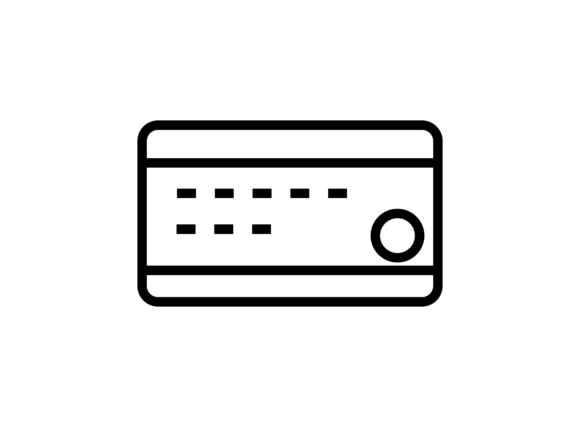
Imagine a single visual element that instantly communicates trust, commerce, and modern convenience—a beautifully designed credit card icon can do precisely that. In today's fast-paced digital landscape, the clarity and quality of your graphic design assets are paramount. A meticulously crafted icon isn't just decoration; it's a fundamental tool for visual communication, capable of enhancing user experience, reinforcing brand identity, and elevating any creative project.
The Role of Premium Icons in Visual Design
A premium credit card icon serves as a versatile cornerstone in a designer's toolkit. Its design must balance simplicity with sophistication, ensuring it is immediately recognizable yet aesthetically pleasing. This balance is crucial for effective branding and user interface design. When an icon is well-designed, it contributes positively to the overall visual hierarchy of a layout, guiding the user's eye and improving the flow of information.
Building Cohesive Brand Identity
From logo design to full brand identity systems, a consistent and high-quality visual language is essential. Incorporating a professionally designed credit card icon into your brand's asset library ensures consistency across all touchpoints. Whether it appears on a website's checkout button, a printed brochure for a financial service, or within a mobile app's payment section, the icon maintains a uniform standard of quality that customers associate with reliability and professionalism.
This consistency extends to your chosen color palette and typography. The icon should complement these elements, creating a harmonious visual experience that strengthens brand recognition. For designers working on packaging design or merchandise for a retail brand, such an icon can be seamlessly integrated into labels, tags, or promotional items, tying the physical product experience back to the digital brand identity.
Practical Applications Across Creative Projects
The utility of a well-executed icon is nearly limitless. Its scalability and multiple file format availability—such as SVG for web design, PNG for social media graphics, and high-resolution EPS for print design—make it adaptable to any medium.
- Digital & UI/UX Design: Use it in website headers, e-commerce product pages, app interfaces, and infographics to denote payment options or financial content clearly and attractively.
- Marketing & Advertising: Integrate it into email campaign graphics, digital ad banners, and promotional materials to highlight secure transaction capabilities.
- Editorial & Presentation Design: Employ it in reports, slide decks, and white papers to visually break up text and illustrate concepts related to commerce or finance.
- Social Media Content: A crisp, engaging icon can enhance posts about sales, new services, or customer testimonials, increasing engagement through clear visual cues.
Selecting and Using Design Assets Effectively
When evaluating any creative asset, including icons, consider its visual impact and usability. A great icon should be:
- Scalable: It must look sharp at any size, from a tiny favicon to a large billboard graphic.
- Readable: Its core concept should be understood instantly, without ambiguity.
- Stylish: It should align with modern aesthetics and design trends, feeling current but not overly trendy.
- Compatible: It should work within your existing design workflow and brand system without requiring excessive modification.
Remember, the icon's composition, the cleanliness of its lines, and its compatibility with your other imagery all contribute to a polished, professional result. It acts as a subtle yet powerful signal of quality to your audience.
Ultimately, the choice to invest in high-quality, meticulously designed creative assets like a premium credit card icon is a commitment to superior communication. It streamlines your design process, provides a reliable element for countless projects, and ensures your visual output—from the simplest social media graphic to the most complex web design—carries a mark of thoughtful, intentional design. This attention to detail not only improves aesthetics but fundamentally enhances how your message is received and understood, making it an invaluable component of any successful creative or business endeavor.