Modern Digital Finance Enhanced by Circular Currency Icon Sets
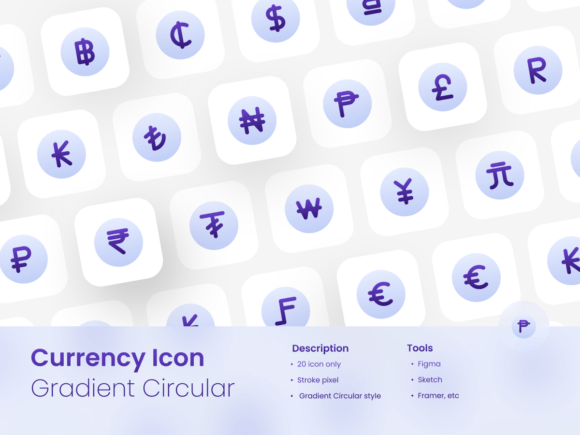
The visual representation of financial concepts has evolved significantly from simple text and basic symbols. In today's digital interfaces, clarity, aesthetic appeal, and immediate recognition are paramount. This is where specialized design assets, such as a Currency Icon Set Gradient Circular-filled, become invaluable tools. This particular style combines the universal symbolism of currency with a contemporary, soft, and engaging visual form.
The Core Design Philosophy: Gradient and Circular Form
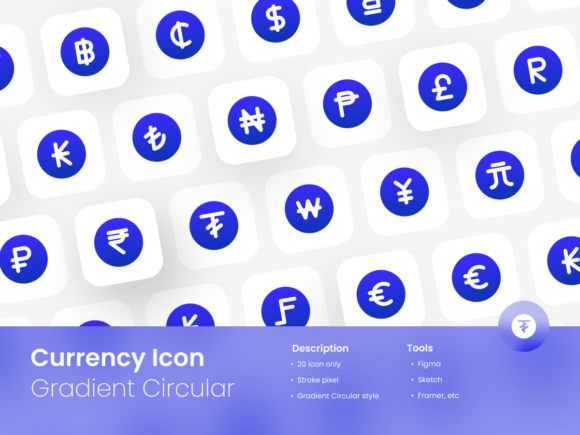
At its heart, the Gradient Circular-filled style is more than just an aesthetic choice; it is a functional design decision. The circular background acts as a consistent container, creating visual harmony when multiple icons are used together. This uniformity is crucial in user interfaces where disparate shapes can create cognitive clutter. The filled circular backdrop provides a solid, attention-grabbing foundation that makes the central currency symbol stand out clearly.
The use of gradient within this circle introduces depth and modernity. Unlike flat color, a gradient can suggest dynamism, progression, or value, aligning subtly with financial themes of growth and flow. It softens the icon's appearance, making it feel more integrated and less stark than a simple line icon on a white background. This style often bridges the gap between professional seriousness and user-friendly approachability, a balance many fintech apps and educational platforms strive to achieve.
Technical Characteristics and Practical Advantages
A high-quality set offering these icons in multiple formats brings several concrete advantages. The claim of 100% vector customization is key. Vector graphics are based on mathematical paths rather than pixels, meaning they can be resized infinitely without any loss of quality or sharpness. This is essential for a set intended for use across websites, mobile apps, print banners, and presentations, each requiring vastly different resolutions.
The editable stroke or shape feature allows designers to adapt the icons to specific brand guidelines or project themes. Perhaps a brand uses slightly thicker lines, or a presentation needs a more minimalist version. This adaptability ensures the icons are a starting point, not a rigid limitation. The ease of changing color is particularly powerful with a gradient base; designers can recolor the entire icon to match a brand palette while preserving the gradient effect, maintaining visual consistency across all project materials.
Primary Use Cases and Real-World Applications
The applications for a cohesive set of currency icons are extensive, crossing over numerous industries and mediums.
- User Interface (UI) Design for Fintech: Mobile banking apps, investment platforms, and cryptocurrency exchanges require clear, quick recognition of currency options. A consistent set of Gradient Circular-filled icons for dollar, euro, pound, yen, and others creates an intuitive selection interface. Their soft appearance can make a financial app feel less intimidating.
- Educational Content and Infographics: Teachers, economists, and content creators explaining international trade, currency values, or financial basics can use these icons to create clean, engaging visuals. The circular filled style makes icons pop in infographics, aiding comprehension and retention.
- Business Presentations and Reports: Corporate financial reports, pitch decks for international ventures, or internal budget overviews benefit from professional, polished visuals. Using these icons instead of plain text labels for currency columns or sections elevates the material's perceived quality.
- Marketing and Advertising Materials: For businesses promoting international services, pricing in multiple currencies, or forex offerings, these icons can be used in flyers, social media posts, and website banners. The gradient circular style is inherently attractive and can draw attention to key offers or payment options.
The included format range—from Adobe Illustrator and EPS for professional print work, to SVG for web development, PNG for quick digital use, and FIGMA for modern UI prototyping—directly supports this wide applicability. The source files empower professionals to integrate the assets deeply into their workflow, regardless of their preferred software ecosystem.
Who Finds Value in Such Icon Sets?
The audience is remarkably broad. Professional designers and UI/UX specialists in the finance sector are direct users, employing the icons in their client work. Small business owners creating their own marketing materials might use the PNG files to easily enhance their website's payment section. Educators and researchers preparing publications or lecture slides can utilize them to create more effective visual aids. Hobbyists running personal finance blogs or YouTube channels can leverage the icons to produce content that stands out. Even app developers without deep design resources can use a pre-made, cohesive set to ensure a professional look for their currency-related features.
Integration into Creative and Development Workflows
The practical workflow for using such an asset typically begins with accessing the source ZIP file. A designer might open the Adobe Illustrator file to customize the stroke width or alter the gradient spectrum for a specific client brand. They could then export a bespoke SVG set for a web developer to implement.
The web developer, receiving the SVG files, benefits from their scalability and small file size. They can easily change the icon's color via CSS to match theme colors, perhaps making the dollar icon green on a dark theme and white on a light theme, all while keeping the circular filled gradient intact. The "easily drag and drop" attribute speaks to the convenience for users in simpler software like presentation tools or basic graphic editors, where PNG files can be instantly placed and resized.
This seamless transition from deep customization in vector software to easy implementation in end-use platforms is a significant part of the value proposition. It supports a collaborative workflow between designers and developers and empowers solo creators to handle the entire process.
Considerations When Selecting and Using Icon Sets
While the features of a Currency Icons Gradient Circular-filled set are compelling, users should consider a few points. The style, while modern, may not suit projects requiring a very austere, classical, or minimalist aesthetic. Understanding the project's overall visual tone is important. Additionally, the set's comprehensiveness is crucial; a set containing 20 major global currencies is far more useful than one with only a handful, as it covers most common use cases.
It is also vital to note, as the description clarifies, what is not included. The mockup UI shown in previews is often just for demonstration. The actual purchase provides the raw icon assets in the listed formats, not finished website screens or app mockups. This distinction is important for buyers to set correct expectations; they are acquiring versatile design components, not pre-made layouts.
The Role in Contemporary Visual Communication
In an era where international finance is accessible to individuals via apps and online platforms, visual symbols that transcend language barriers are essential. A well-designed currency icon set acts as a visual shorthand. The Gradient Circular-filled style, in particular, aligns with current design trends favoring rounded elements, soft shadows, and color transitions, which are known to feel friendly and accessible to users.
By providing a cohesive, scalable, and adaptable family of symbols, these icon sets do more than decorate; they facilitate understanding, streamline interfaces, and enhance communication across countless mediums. From a complex forex trading dashboard to a simple school poster about world currencies, the right visual tool can make information not only clearer but also more engaging. The technical delivery of such a set in fully vector, editable formats ensures that this engagement can be tailored perfectly to each unique context, making it a resilient and valuable asset in the toolkit of anyone communicating about money, value, or global exchange.